
A brand is more than a logo, more than a colour palette, more than a tagline. It’s what people think, feel and say about a company — shaped by every touchpoint, from the first Google result to the packaging on the shelf. Holistic brand development means designing all of those touchpoints from one shared idea. And a partner you can rely on for that is someone who doesn’t just supply the idea, but is still there once it meets reality.
What “holistic” actually means
In practice, brand development often splinters into separate jobs: a logo here, a website there, a campaign later — each with a different supplier, a different briefing, a different interpretation. The result is brands that look a little different, sound a little different and promise a little different, depending on the channel.
Holistic means reversing that order. First you clarify what the brand stands for, who it’s for, and what sets it apart. Only then do name, design, tone of voice, digital presence and communication get derived from that — in a way that they reference each other rather than simply sitting side by side. It sounds obvious, but it’s exactly where most brand projects go wrong: design happens before decisions do.
The steps in holistic brand development
At crossconnect, we follow a logic that’s proven itself across many projects:
- Understand: Industry analysis, competitors, audiences. What moves the people the brand needs to reach? Where is there space nobody has claimed yet?
- Position: In workshops with the client — and, where it makes sense, in focus groups with the target audience — we sharpen what the brand stands for, and just as clearly, what it doesn’t.
- Design: Name, logo, corporate design system, visual language and tone of voice are developed out of the positioning. Not as a matter of taste, but as a translation of a stance.
- Implement: Website, packaging, social media, sales materials — every touchpoint where the brand is actually experienced.
- Sustain: Brand management doesn’t end at launch. A brand is led day to day, developed further, and defended against dilution.
From idea to the shelf: animero
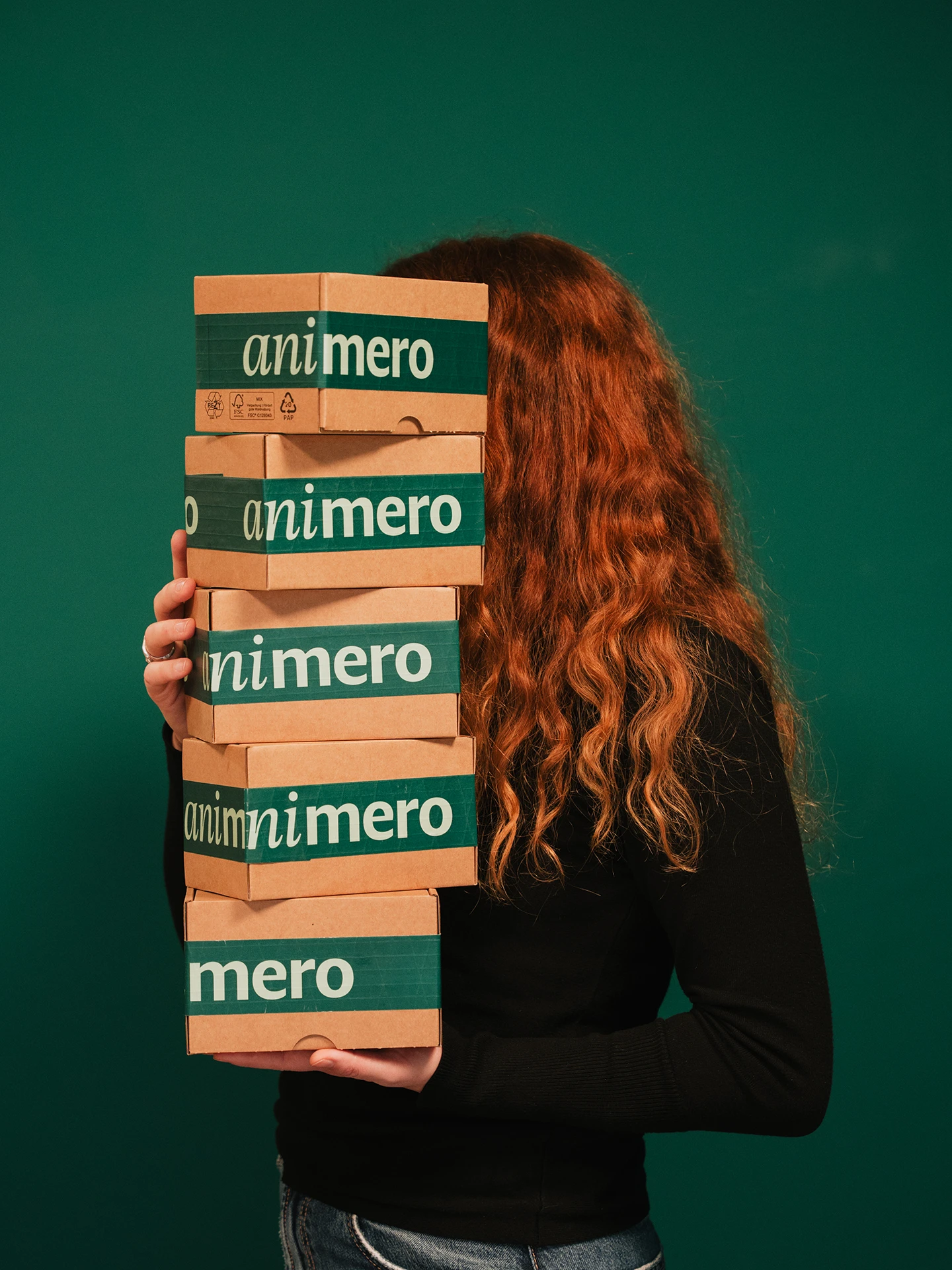
What this can look like is shown by animero, a new brand of food supplements for dogs and cats. Our team developed it from scratch — from the first idea through positioning, naming and corporate design to packaging, website and marketing. Because every discipline sat at the same table, nothing had to be patched together afterwards. The packaging speaks the same language as the website, and the website speaks the same language as the campaign.
The same principle holds for existing brands, too: for EnergieDirect, positioning workshops and focus-group interviews led to a new corporate design system that brought the brand back into line after years of a fragmented identity.
How to spot a reliable partner
Reliability shows up less in promises than in the way of working. A few things to look for:
- The partner asks more questions than they answer at the start. Anyone who shows you designs straight away hasn’t been listening.
- They explain why they’re recommending something — and what speaks against it. Transparency isn’t an extra; it’s the basis of trust.
- They also tell you what they can’t do, and bring in specialists for particular topics instead of claiming to handle everything themselves.
- They think beyond the launch and have references where the collaboration has held up for years.
- They don’t sell, they advise. The difference is noticeable: recommendations a partner believes in 100% themselves sound different from a sales pitch.
Our stance
We love changing perspective. So we look through your glasses and see what moves and excites you — because that’s the only way to tell believable stories about brands. To do that, we work at eye level with our clients. Side by side, with transparency about what we do and why. And we stay authentic ourselves: we only recommend solutions we believe in ourselves.
If your brand needs more than a new logo, we’re happy to talk about the whole journey.
Frequently asked questions about brand development
How long does holistic brand development take?
It depends on the starting point. A new brand taking shape from idea to market launch usually needs several months, because positioning, design and implementation build on each other and decisions take time. Sharpening an existing brand goes faster. More important than the timeline is the order of operations: design too early, and you lose more time later than you saved at the start.
Do small businesses even need a brand strategy?
Especially them. Large companies can afford some inconsistency for a while; small ones can’t: every touchpoint counts, and every contradiction costs trust. A brand strategy doesn’t need to be a hundred-page document for that. Often a handful of clearly stated decisions are enough — as long as they’re applied consistently.
What happens after launch?
The real work. A brand is led day to day: in every campaign, every job ad, every new product. A reliable partner stays reachable for that, keeps developing the design system, and helps defend the brand against gradual dilution.